I did not come to Mexico to be a tourist.
I came because something in me was tired of moving the way I had been moving.
In the United States, my life is efficient. I optimize. I schedule. I measure time in productivity. Even my workouts are tracked and logged. My movement is forward, fast, goal-oriented.
Guadalajara was the first place that interrupted that rhythm.
In Guadalajara, walking felt different. People lingered. Meals stretched. Conversations overlapped instead of concluding cleanly. I remember sitting in a plaza in Colonia Americana, watching families gather in a way that did not feel rushed. No one seemed to be squeezing joy between obligations. They were inside it.
I noticed my own restlessness.
I kept checking the time.
And then slowly, without deciding to, I stopped.
Mexico City challenged me in a different way.
CDMX is large and loud and dense. But it is not frantic. That distinction matters.
In Centro Histórico, I felt the weight of centuries layered under my feet. I moved more slowly there, not because I was tired, but because the space demanded it. You don’t rush past cathedrals built over temples. You don’t skim murals that argue with you.
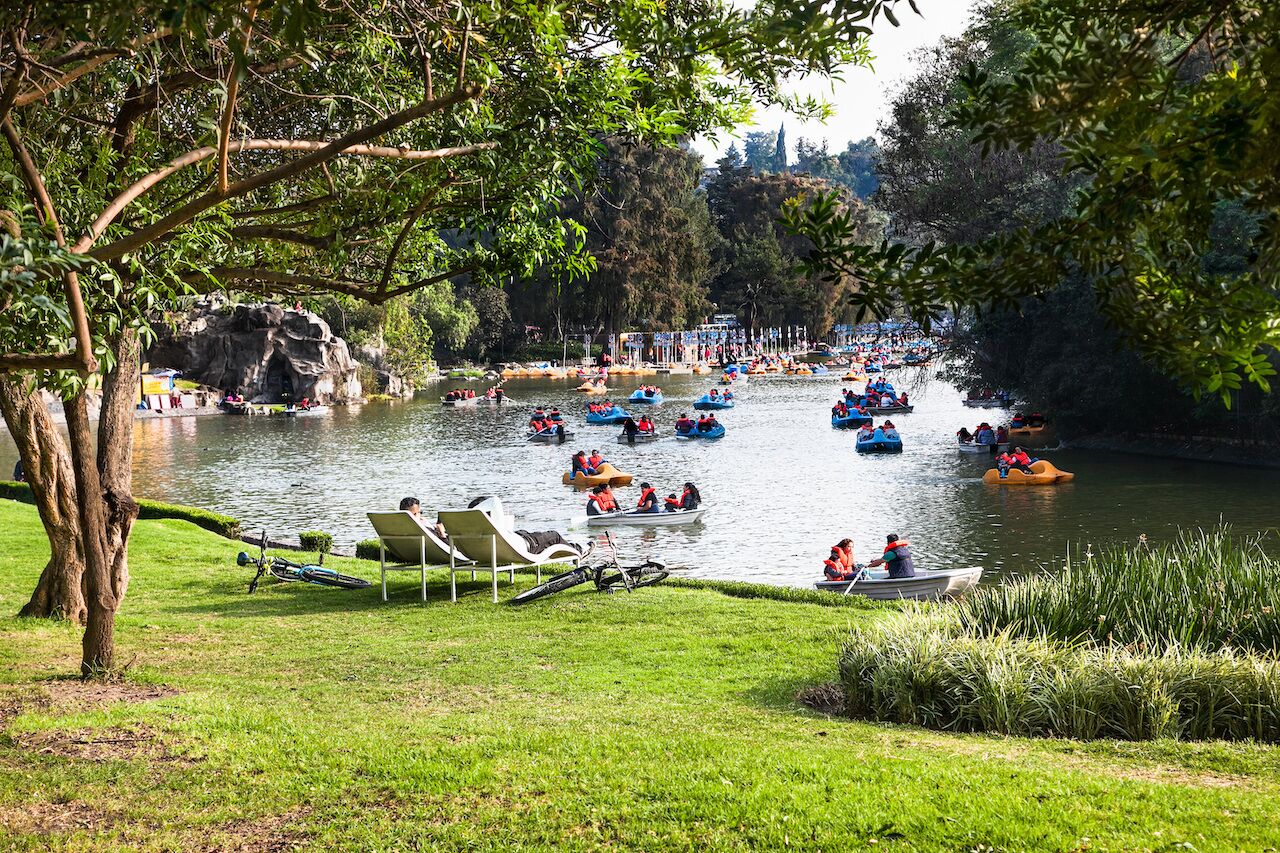
Roma and Condesa taught me something subtler. Walking there felt like belonging without performing. Cafés were full, but no one was posing. Parks were busy, but not transactional. I could walk for hours without needing to accomplish anything.
That unsettled me at first.
Who am I when I am not producing?
Language slowed me down too.
In Guadalajara, I tried to speak Spanish more than I usually would. I hesitated. I made mistakes. I waited for replies. Conversations took longer, but they felt heavier, more mutual. When you cannot rely on fluency, you listen harder.
In Mexico City, I noticed how often time bends around language. People greet each other fully. There is warmth before business. There is acknowledgment before transaction.
In the United States, we often skip to the point.
In Mexico, the point is sometimes the relationship.
Connections formed differently as well.
In Zona Rosa in CDMX, I felt something unexpected. Familiarity without history. Conversations that did not require context. There was space to be seen without explaining myself.
In Mexico City, a waiter remembered me after two visits. Not because I was special, but because repetition matters. Presence matters. Returning matters.
Belonging is not dramatic. It is cumulative.
Living in Mexico, even temporarily, exposes how tightly structured my American life is.
In Alaska, my days are precise. In Mexico, they loosened.
Meals were later. Walks were longer. Errands took more time, but less emotional energy. I was not trying to maximize every block of the day. I was inhabiting it.
I am not naive. Mexico has its own tensions, inequalities, and pace. It is not a slow-motion paradise. But culturally, there is a different relationship to time. A different comfort with presence.
That difference forced me to look at my own habits.
The most uncomfortable realization was this:
I am very good at efficiency.
I am less practiced at belonging.
Mexico did not fix that.
It simply revealed it.
When I return to the United States, I can feel myself speeding up again. My calendar fills. My pace sharpens. My body tightens.
But now I notice it.
And noticing is the first step toward choosing differently.
Where Mexico Moves is not about visiting.
It’s about learning to move in a way that allows you to stay.
Leave a Reply